The Archer Public Library’s Summer Reading Program 2022 is here! The library kicked off its reading contest on June 1st and is accepting entries through July 31st, for a chance to win a Kindle E-Reader loaded with free eBooks. 1 hour read = 1 entry into the contest.
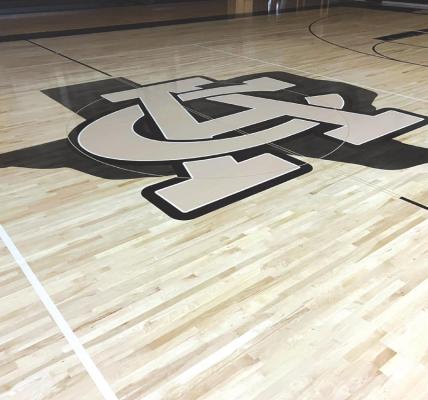
Wildcat Gym recently got a new court installed over the summer months. The center-court logo features the interlocking 'AC' with the state of Texas as a backgroun Photo/Will Edwards.
New Archer City Athletic Director and head football coach Bradan Ritchey has created quite the buzz about the Wildcats program since his arrival in February. Excitement around town is palpable as anticipation for the 2022 football season nears.
Archer County Judge Randy Jackson placed the county in an emergency burn ban on Tuesday, June 28, which is set to expire on Sunday, July 10. The order states all outdoor burning in unincorporated areas is banned.
The Archer City ISD School Board approved the 2022-2023 student code of conduct and student handbook during its meeting June 27. Superintendent CD Knobloch said the district did not make any changes to either the code of conduct or handbook from the previous year.
The Archer County Commissioner’s Court decided to leave the constable pct. 2 position open until the November 8 election after hearing its options for the position during its meeting Monday, June 27.